Metallic epoxy flooring · Sun City, AZ
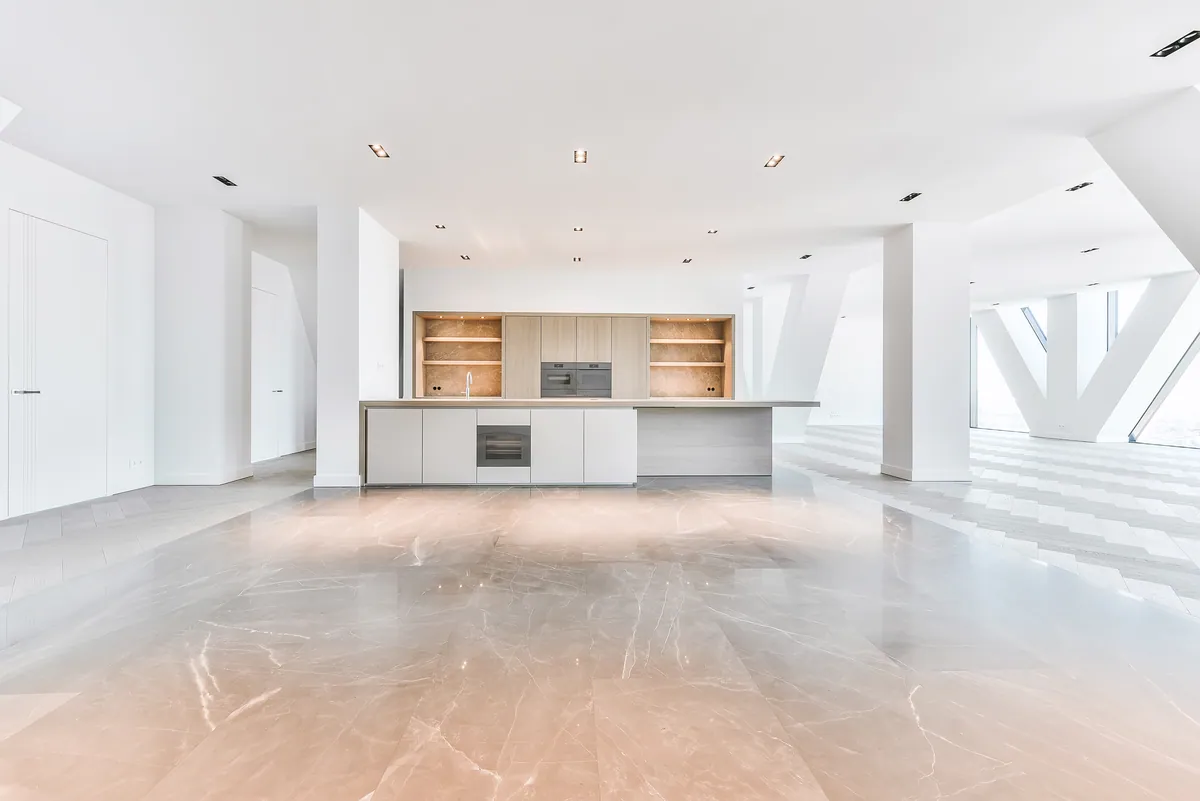
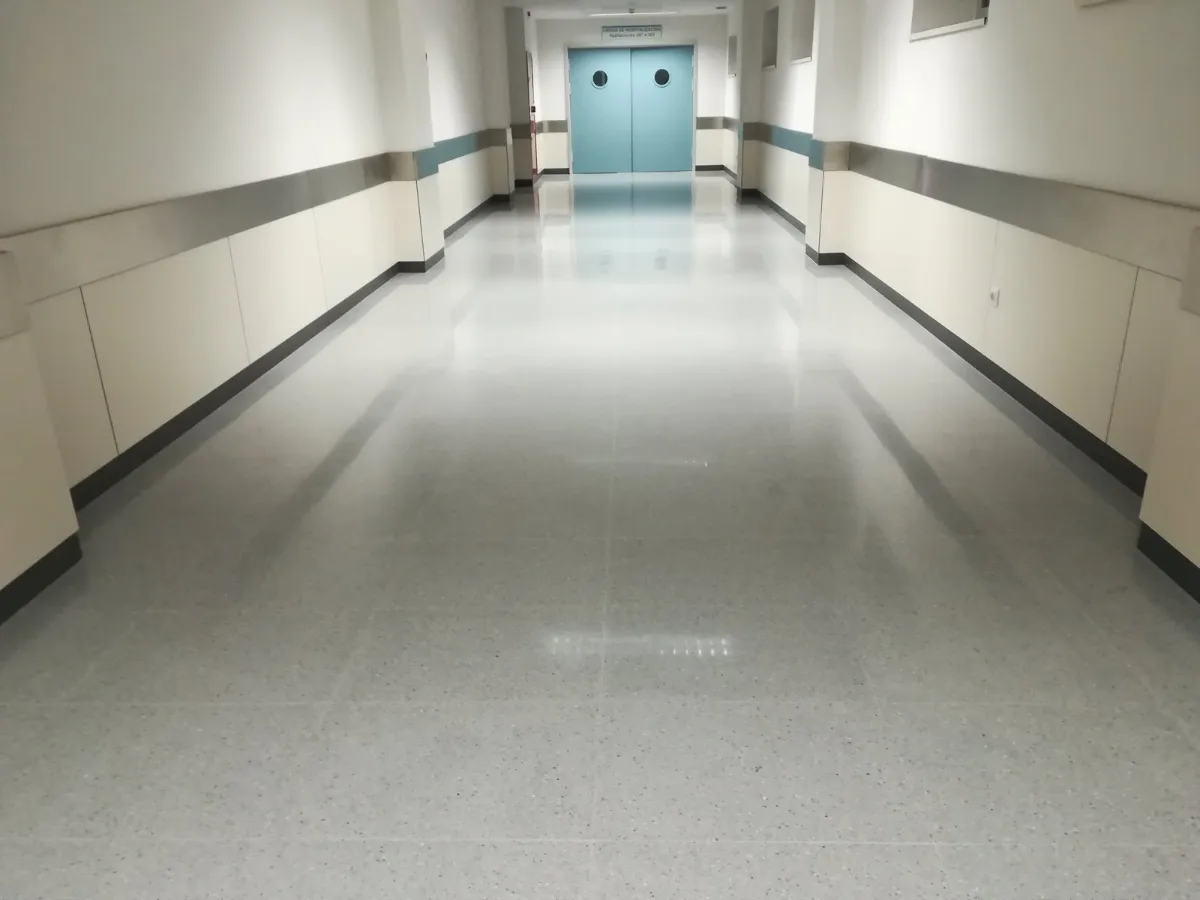
Metallic floors with the soft glow of polished stone.
Hand-crafted metallic epoxy creates flowing, one-of-a-kind patterns — an elegant choice for rooms where the floor deserves attention.
An artisan finish for concrete
Metallic epoxy is part flooring and part craft. The process begins like any quality coating, with ground concrete, patient patching and a sealing primer. What sets it apart is the decorative layer that follows. Fine metallic and pearlescent pigments are mixed into clear epoxy, and while it is still liquid, the installer shapes it with rollers, trowels and brushes. The pigments catch the light differently depending on how they settle, creating gentle swirls, veins and pools of color.
Once cured and sealed, the result looks remarkably like natural stone, polished marble or softly moving water. Because each floor is shaped by hand, no two are exactly alike. That individuality is a big part of the appeal for homeowners who want something more personal than tile or vinyl.
Where metallic floors work best
Metallic floors shine — literally — in rooms where they can be seen and appreciated. A den or family room, a front entry, a home bar or a hobby room are all excellent candidates. They also suit commercial settings such as salons, boutiques, showrooms and clubhouse lounges, where a floor helps set the tone.
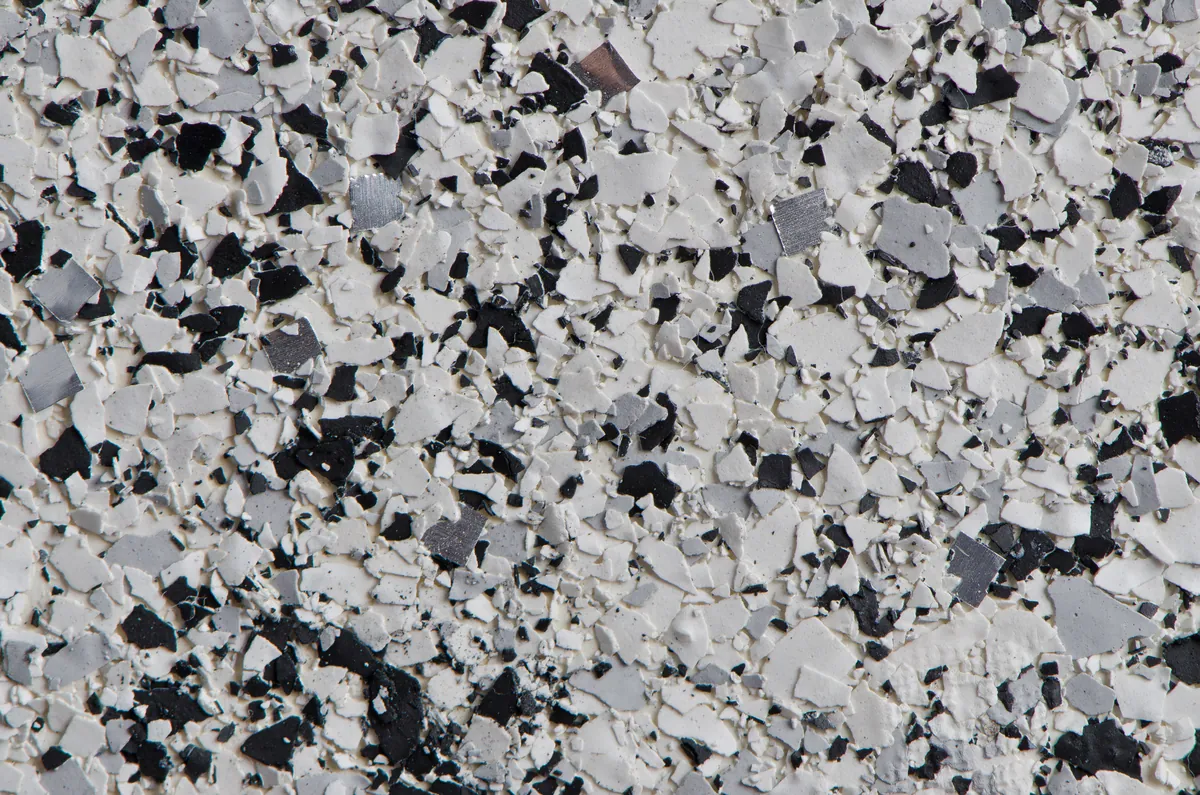
We generally recommend flake rather than metallic for everyday garages. Grit, hot tires and dropped tools are hard on a glossy decorative finish, and a flake floor hides wear more gracefully. The exception is a climate-controlled showroom garage for a cherished car, where a metallic floor can look spectacular.
What you gain with metallic epoxy
A truly custom floor
Your floor is created by hand on site, with colors and movement chosen for your room.
Seamless and spacious
No grout lines or transitions, which helps rooms feel larger and calmer.
Bright and reflective
Pearl pigments bounce light around a room — helpful in spaces with few windows.
Durable surface
A protective topcoat guards against scratches, spills and everyday wear.
Refreshable
Years from now, the topcoat can be renewed without disturbing the design beneath.
Popular color directions
We’ll create sample boards together, but most designs begin with one of these palettes.
- Pearl and silver
- Soft whites and silvers with gentle gray veining — fresh, bright and quietly elegant.
- Champagne and sand
- Warm neutrals that sit comfortably with desert-toned furnishings and wood cabinetry.
- Pewter and charcoal
- Deeper, moodier tones for dens, bars and media rooms.
- Sea glass and sage
- Muted blues and greens that bring a calm, natural feel indoors.
- Satin or gloss
- Gloss shows the most depth; satin softens reflections and hides fine scratches. Many homeowners prefer satin for everyday rooms.
How a metallic floor is created
- 1
Design consultation
We look at the room, the light and your furnishings, and create sample boards in the colors you like.
- 2
Thorough preparation
Metallic floors reveal every flaw, so the slab is ground flat and all cracks and joints are filled meticulously.
- 3
Sealing and background tone
A first coat closes the pores of the slab; a tinted layer then establishes the backdrop color.
- 4
Metallic layer
The metallic coat is mixed and placed in a planned sequence, then shaped by hand while wet.
- 5
Protective topcoat
A clear, sun-resistant layer protects the pattern and determines how glossy it looks.
- 6
Settling in
You’ll know exactly when to step on it, when the sofa can come back, and how to keep the shine.
Why skill matters so much with metallics
Metallic epoxy is the least forgiving coating we install. The working time is short, and the resin keeps moving as it levels, so the installer has to anticipate how the pattern will settle. Batches must be mixed consistently or colors will shift across the room. Edges between sections must stay wet so they blend invisibly.
Preparation is equally critical. An unfilled crack or a patch that wasn’t ground flat will show through as a line or a dull spot. We plan each metallic project carefully, from the order in which areas are poured to who is mixing and who is shaping, so the finished floor looks balanced from every angle.
Free in-home estimate
Thinking about metallic epoxy flooring?
We’ll visit, look at the concrete, bring samples and give you a written estimate — no pressure.
Metallic floors in the desert light
Arizona sunshine is beautiful but intense. Rooms with large windows or sliding doors receive a lot of UV, which can gradually shift the color of epoxy. Every metallic floor we install is sealed with a UV-stable topcoat, and in very sunny rooms we may suggest warmer palettes that age gracefully.
Dust is the other consideration. Glossy floors show dust more readily than textured ones. A satin topcoat and a good doormat at each entrance go a long way toward keeping a metallic floor looking freshly cleaned.
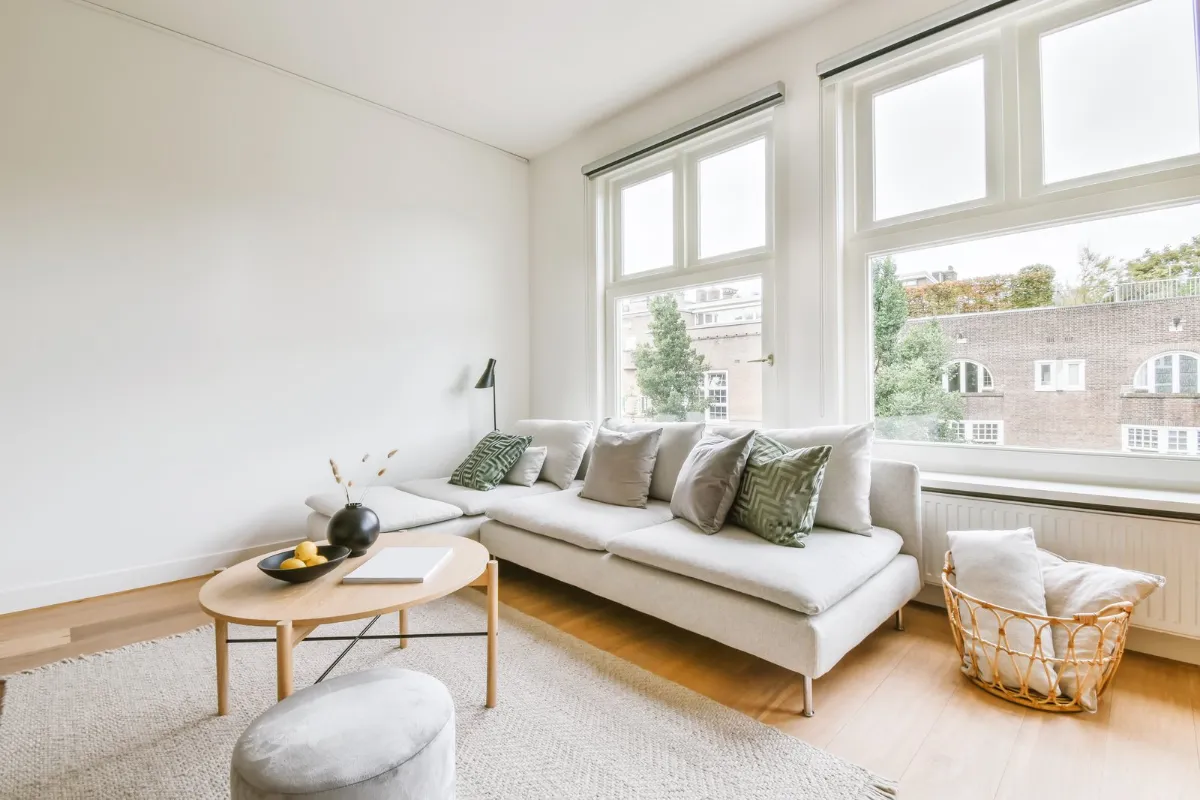
Living with a metallic floor
Dry mop often with a soft microfiber pad, since grit is what dulls a glossy finish. Damp mop with a pH-neutral cleaner as needed. Avoid waxes, oil soaps and abrasive pads. Felt pads under furniture and area rugs in busy paths will protect the topcoat for years.
If you’d like extra slip resistance, we can add a fine, nearly invisible texture to the topcoat. It slightly softens the reflection but makes the floor more comfortable to walk on in socks.
Is metallic right for your room?
A metallic floor is a design statement, and it’s worth being sure before committing. It suits people who enjoy one-of-a-kind finishes and accept that the pattern can’t be predicted exactly. If you prefer a uniform look, a solid satin color might be a better fit. If the room sees a lot of grit and traffic, fine flake is more forgiving.
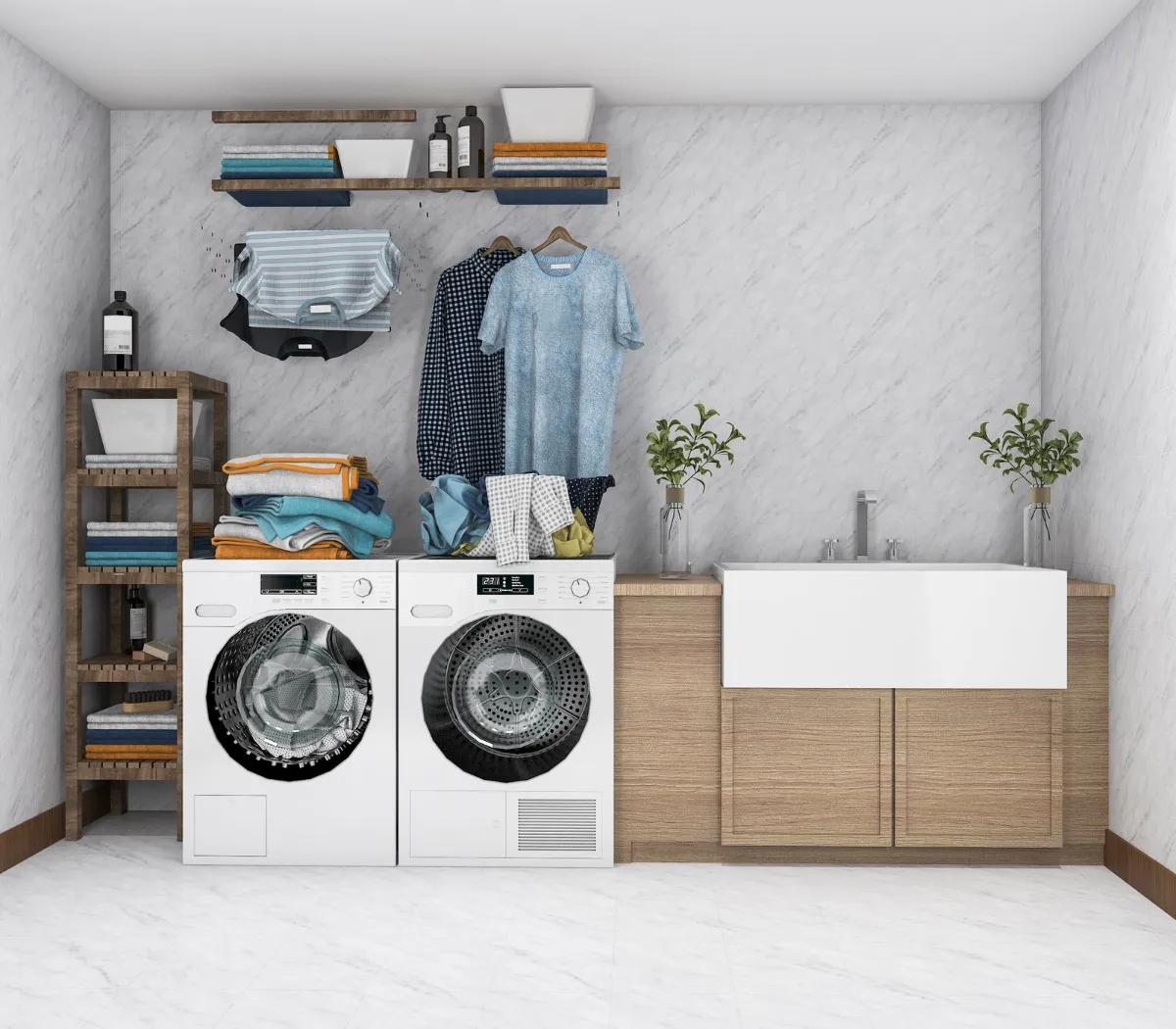
We’re glad to talk through the options honestly during the estimate. Sometimes the best recommendation is a metallic floor in the den and a flake floor in the adjoining laundry room, giving each space the finish that suits it.
Metallic floors for businesses and shared spaces
Metallic finishes aren’t just for homes. Salons, boutiques, wine and tasting rooms, showrooms and community lounges use them to create a memorable first impression. A metallic floor can echo brand colors or simply add warmth to a space that would otherwise feel plain.
In commercial settings we pay extra attention to the topcoat. A tougher urethane or polyaspartic finish handles rolling chairs, carts and frequent cleaning, and a fine texture keeps entryways safe on rainy days. We can also work after hours so the business stays open during installation.
Pairing a metallic floor with the rest of the home
Because a metallic floor has movement and depth, it works best when the surrounding finishes give it some breathing room. Solid-colored walls, simple cabinetry and neutral furniture let the floor take center stage. If a room already has busy patterns — a strongly veined countertop, a patterned rug or textured wallpaper — a calmer metallic design with subtle veining usually looks more harmonious.
Think about transitions, too. Where a metallic floor meets tile or wood in an adjoining room, a clean threshold detail makes the change feel intentional. We’ll talk through these transitions during the design consultation so the new floor blends naturally into the house.
Questions we’re often asked
Can I choose exactly how the pattern will look?
You choose the colors and general style, and we show you samples. The final pattern forms by hand as the resin levels, so it will be unique to your floor.
How should I clean up a spill?
Blot it with a soft cloth and wipe with warm water and a little pH-neutral cleaner. The sealed topcoat keeps most spills from staining, including wine, coffee and pet accidents, as long as they are cleaned up in a reasonable time.
Is a metallic floor slippery?
Gloss can be slick in socks or when wet. A fine textured additive in the topcoat improves grip with little effect on appearance.
Will it scratch?
Any glossy floor can show fine scratches. Felt pads, rugs and a durable topcoat minimize them, and satin finishes hide them well.
How long does it take?
Most rooms take three to four days from preparation to final coat, with furniture returning a day or two after that.
Can a metallic floor go over tile?
We recommend removing tile so the coating bonds directly to concrete. This avoids grout lines telegraphing through the finish.
Can I add a metallic floor to just one room?
Yes. Many homeowners start with a den, entry or bar area. We plan the transitions to adjoining flooring so the room looks complete.
Do metallic floors work in the garage?
They can in a climate-controlled showroom garage. For a working garage with dust, grit and hot tires, we usually recommend flake for its durability and ability to hide wear.
Can metallic floors be repaired if damaged?
Small chips in the topcoat can usually be repaired. Because the metallic pattern is unique, deeper damage is harder to blend perfectly, which is why we recommend protective habits like felt pads and rugs in busy areas.
Imagine a floor that feels like art.
Let’s talk colors and create samples for your space.