Warehouse floor coatings · Sun City area
Durable warehouse floors that stay clean, bright and organized.
We help storage, maintenance and distribution facilities control dust, protect concrete from wear and organize traffic with clear, lasting markings.
What wears warehouse floors down
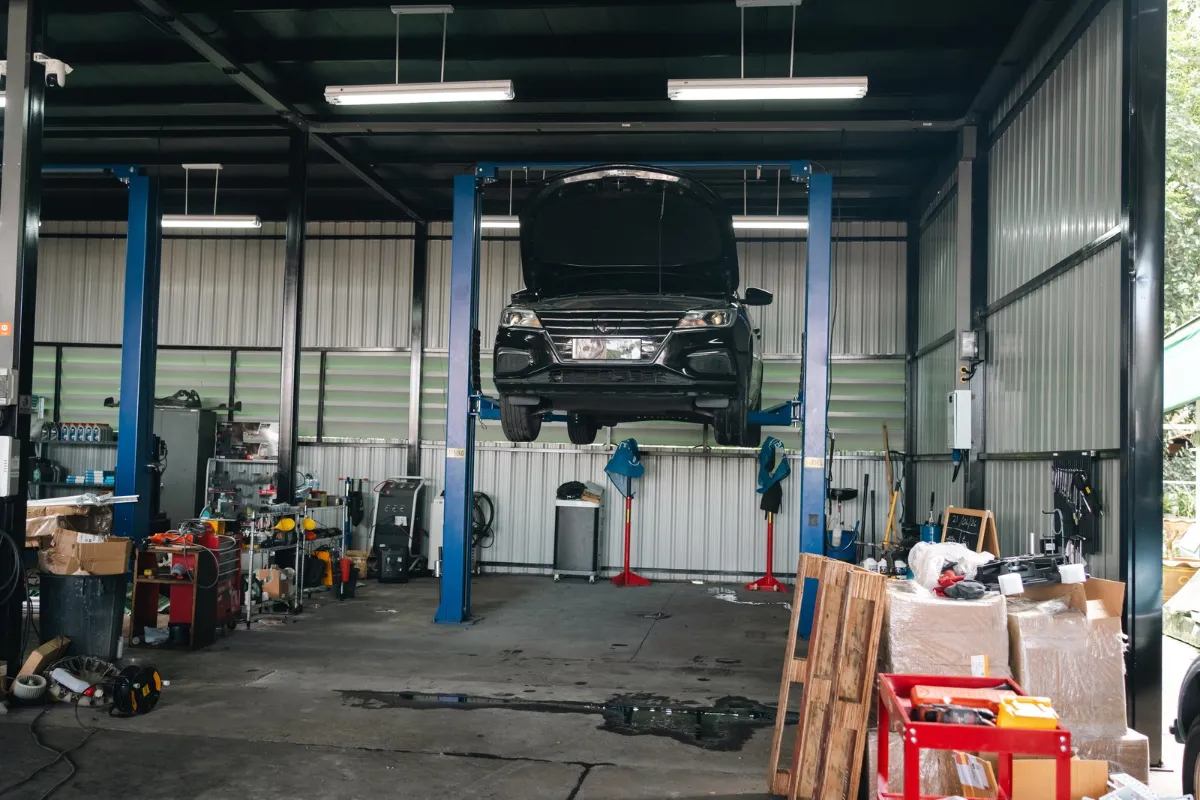
Warehouse and industrial floors take steady, relentless punishment. Forklifts and pallet jacks with hard wheels turn and brake in the same lanes all day. Pallets are dragged, carts are pushed, and equipment rolls across joints thousands of times. Untreated concrete slowly wears under that traffic, releasing fine dust that settles on inventory, clogs air filters and works into machinery.
The joints between slab sections suffer most. Every time a hard wheel crosses an unsupported joint, it strikes the edge. Over time the edges chip and crumble, creating a rough path that jars equipment and loads. Left alone, that damage spreads.
A properly specified floor coating addresses each of these problems: it hardens or seals the surface, stops dusting, resists abrasion, protects joints and makes the floor far easier to clean.
Benefits of a coated warehouse floor
Dust control
Sealing the concrete stops the fine dust that settles on products and wears equipment.
Wear protection
Tough, lift-truck-rated layers shield busy lanes, corners and dock zones.
Organized traffic
Clear striping separates people from equipment and marks storage, staging and hazard zones.
Brighter facility
Light-colored, reflective floors improve visibility for operators and staff.
Protected joints
Proper joint filling supports edges and smooths the ride for equipment.
Faster cleaning
Sealed floors sweep and scrub efficiently, saving maintenance time.
Choosing the right level of protection
Not every area of a facility needs the same treatment. We often recommend different systems for different zones, which keeps costs sensible while protecting the floor where it matters most.
- Densifier and sealer
- An economical way to harden and dust-proof concrete in light-traffic storage zones. It doesn’t add color or much chemical resistance.
- High-build epoxy
- A thick, durable coating for aisles, production areas and shops that see constant traffic.
- Epoxy plus a urethane wear layer
- Suited to maintenance bays and anywhere spills and scuffing happen together, thanks to a tougher, chemical-shrugging surface.
- Slip-resistant finish
- Textured coatings for ramps, docks and wash areas.
- Line striping
- Durable markings for travel lanes, walkways, staging areas and safety zones.
Our approach to industrial projects
- 1
Walk the facility
Together with your staff we note how equipment moves, what it weighs, what spills, and how the concrete, joints and moisture look.
- 2
Build a phasing plan
We divide the work into sections so inventory and equipment can move and operations continue.
- 3
Prepare the slab
Contaminated or slick concrete is ground or shot-blasted back to clean, porous material. Damaged areas are repaired.
- 4
Rebuild joints
Chipped joints are repaired and filled with semi-rigid material that supports wheels.
- 5
Apply the coating
Each zone receives its specified system, with appropriate cure time before traffic returns.
- 6
Stripe and hand over
Once striping is down, your team gets simple instructions for daily and periodic care.
Planning an effective striping layout
Good striping makes a facility safer and more efficient, but only if the layout matches how people and equipment actually move. Before marking anything, we walk the floor with whoever runs operations to see where forklifts turn, where people cross and where congestion happens.
- Forklift travel lanes and turning areas
- Pedestrian walkways in a contrasting color
- Stop lines and crosswalks at doors and blind corners
- Hatched zones around electrical panels, fire equipment and eyewash stations
- Staging squares near loading doors
- Numbered bays for storage and inventory
Why experience matters on large floors
Large floors magnify every shortcut. Skimp on prep and the coating lifts where lift trucks run. Pick a soft joint filler and the wheels tear it out within months. A coating that’s too thin wears through in turning areas. Each of those failures means another shutdown to fix.
We plan carefully, prepare thoroughly and specify the right system for each zone. That way your facility is disrupted once, and the floor keeps performing for years.
Industrial floors in the West Valley
The area around Sun City includes light-industrial and commercial corridors along Grand Avenue and near Loop 101, along with storage buildings, maintenance facilities and service yards for the many communities nearby. These facilities often have large doors that stay open for deliveries, letting desert dust blow in steadily.
Ground between wheels and concrete, that grit behaves like an abrasive paste. Sealed, hard-wearing coatings resist it much better than raw slab, and stored goods stay cleaner too. Buildings without air conditioning also see larger temperature swings, so we choose systems and joint fillers that tolerate movement.
Free in-home estimate
Thinking about warehouse floor coatings?
We’ll visit, look at the concrete, bring samples and give you a written estimate — no pressure.
Older slabs and moisture
Some older buildings were constructed without a vapor barrier under the slab. Moisture vapor can rise through the concrete and cause blisters or loss of adhesion under a non-breathable coating. Decades of soaked-in oil and fluids can undermine a coating the same way.
We take moisture readings and look for contamination during the facility walk. When needed, a moisture-mitigating primer or additional degreasing is built into the plan. These steps cost far less than replacing a failed floor.
Keeping a warehouse floor in good condition
Regular sweeping or ride-on scrubbing removes the grit that wears coatings fastest. Use the softest scrubber pads that do the job. Watch the joints and the areas just inside the doors, which wear first; repairing a small chipped joint early prevents larger damage.
Striping in the busiest turns may need occasional touch-ups. These are quick to refresh without recoating the whole floor.
Densifier or full coating — which do you need?
Facility managers often ask whether a full coating is really necessary. A lithium or silicate densifier soaks into the concrete and reacts to harden the surface, dramatically reducing dust at a modest cost. It doesn’t change the floor’s color, it holds striping less well than a coating, and it offers limited protection against spills.
A full coating makes sense where you need chemical resistance, brighter surfaces, clearly defined zones, or quicker cleanup after spills. Many facilities land on a combination: high-build coatings in shops, aisles and work areas, with densified concrete under long-term racking. We’ll price both so you can compare.
Maintenance shops and vehicle service areas
Facilities that service vehicles, golf carts or equipment face a tougher mix of conditions than dry storage. Oils, hydraulic fluid, coolant, battery acid and solvents all end up on the floor. Jacks and stands concentrate heavy loads on small points, and tools are dropped regularly.
For these areas we specify a heavier system with a chemical-resistant topcoat, often with added texture around wash bays and service lifts. A light color makes dropped parts easier to find and brightens the work area, which crews tend to appreciate.
Minimizing downtime
We understand that every hour a facility is out of service has a cost. Phasing allows sections of the floor to be completed while the rest of the building keeps working. Fast-cure materials can return areas to service sooner, and night or weekend work keeps disruption away from peak hours. We’ll build a schedule with your team before any work begins.
Safety colors and what they usually mean
Consistent color use helps everyone in a building understand the floor at a glance. While every facility can set its own scheme, many follow common conventions: yellow for aisles, traffic lanes and caution areas; white for equipment locations and racking; red for fire equipment and emergency stops; green for first aid and safety stations; and black-and-yellow or red-and-white hatching for hazards and areas to keep clear.
We’ll help you choose a scheme that suits your operation and stick to it across the building. Consistency matters more than any particular color choice, particularly for new or temporary staff.
Questions we’re often asked
Can you work while we stay open?
Yes. Phased schedules, nights and weekends let your operation continue during the project.
When can forklifts return?
That depends on the materials and the weather — anywhere from the next shift to several days.
Do we need to coat the entire floor?
Not necessarily. Many facilities coat aisles and work areas and densify storage zones.
What do you do with damaged joints?
We cut out and rebuild damaged edges, then fill joints with a semi-rigid material that supports wheels.
Can you restripe our existing floor?
Certainly — fresh lines can go onto floors that are already coated or densified.
Do you work on small storage buildings too?
Yes. We coat facilities of all sizes, from single storage rooms to larger warehouses.
Will the coating make the floor slippery for forklifts?
Glossy, untextured surfaces lose grip when water or fine dust sits on them. We add aggregate to ramps, docks and wash areas so tires and boots keep their grip.
How long does a warehouse coating last?
It depends on traffic, the system chosen and how the floor is maintained. Heavier systems in busy lanes last considerably longer than thin coatings, and periodic topcoat maintenance extends their life further. We will give you realistic expectations for each zone during planning.
Planning a facility floor upgrade?
Let’s tour the building together and map out a sequence that keeps your work moving.