Polyurea floor coatings · Sun City, AZ
A resilient foundation layer for slabs that have seen a few decades.
Polyurea forms a tough, slightly flexible base that bonds tightly to concrete — a smart choice for older slabs, workshops and spaces that take a beating.
Understanding polyurea
Polyurea is a two-part coating prized for being both tough and stretchy. It’s the same family of material used to line pickup beds and protect storage tanks because they can stretch and absorb impacts without cracking. The versions we use on floors are formulated to be rolled or squeegeed onto prepared concrete, bringing much of that toughness to garages and workshops.
In a floor system, polyurea normally goes down first, gripping the concrete itself. It soaks into the ground surface, grips tightly and stays slightly flexible once cured. On top of it, we typically broadcast decorative flakes and finish with a clear polyaspartic topcoat. Together they create a floor that is both resilient and attractive.
Why flexibility matters
Concrete is never perfectly still. It expands a little in the heat of the afternoon and contracts overnight, and older slabs may have settled slightly over the decades. Fine cracks are the visible sign of that movement. A stiff coating can’t flex with those shifts, and after enough seasons it may develop fine cracks or begin to peel at the joints.
A base with some give soaks up part of that motion instead. That makes polyurea a good match for many established homes in Sun City, where garage slabs have been through a lot of summers. It doesn’t stop the concrete from moving, but it gives the coating a better chance of riding along without damage.
Advantages of a polyurea base
Strong adhesion
Bonds deeply into properly ground concrete for a secure foundation.
Handles slab movement
Stays slightly flexible, helping the coating tolerate small, normal movement in the concrete.
Impact resistance
Less likely to chip when a heavy tool, storage bin or garden pot is dropped.
Quick return to use
Cures rapidly, especially when paired with a polyaspartic topcoat.
Wide temperature range
Can be applied in a broader range of conditions than many traditional coatings.
Where we recommend polyurea
Not every floor needs a polyurea base. In a newer, stable slab inside an attached garage, a quality epoxy base often performs just as well for less. We suggest polyurea when conditions call for its particular strengths.
- Older garage slabs with existing hairline cracks
- Workshops where tools, jacks and equipment are frequently dropped or dragged
- Garages packed with heavy storage cabinets, freezers and shelving
- Detached garages and storage buildings that heat up significantly in summer
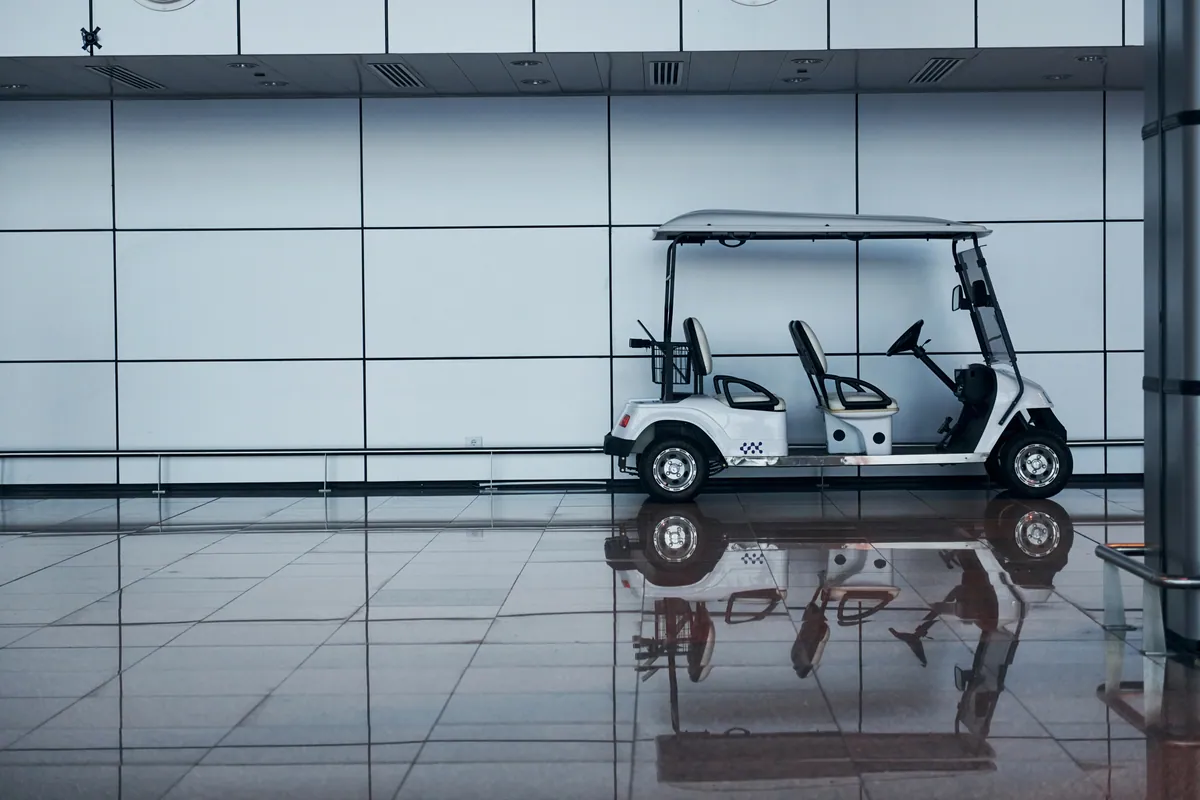
- Golf cart bays where tires pivot in the same spots daily
Polyurea system options
- Polyurea base, flake and polyaspartic top
- The most common combination: flexible base, decorative flakes and a UV-stable clear topcoat.
- Tinted polyurea with clear topcoat
- A solid-color look in gray or tan — practical for workshops.
- Heavy-duty workshop build
- Thicker layers and extra texture for floors that see jacks, rolling tool chests and heavy equipment.
Our installation approach
- 1
Inspect the slab
We look closely at cracks and joints to understand how the concrete has been moving over the years.
- 2
Grind thoroughly
Polyurea needs an open, even texture to grab onto, so we take our time with the grinder.
- 3
Treat cracks and joints
Stable cracks are filled; joints are handled individually depending on whether they’re still moving.
- 4
Apply the polyurea base
The base is applied in carefully timed small batches because it reacts quickly. Flakes are broadcast at once.
- 5
Seal with a topcoat
After a short cure, loose flakes are removed and a clear polyaspartic topcoat is applied.
- 6
Return to use
Walk on it the next day; cars and carts usually return within a few days.
Experience makes the difference
Fast-reacting materials leave no room for hesitation. Polyurea has to be measured precisely, mixed thoroughly and spread promptly, and the concrete must be clean and dry. Product choice matters too: not everything sold as polyurea is designed for floors. Our crews know which formulations perform on residential slabs and how to apply them for an even, well-bonded result.
We also look beyond the surface. If a crack is widening because of a drainage problem or soil movement, a coating won’t fix it. We’ll point that out rather than letting a new floor take the blame for an underlying issue.
Free in-home estimate
Thinking about polyurea floor coatings?
We’ll visit, look at the concrete, bring samples and give you a written estimate — no pressure.
Polyurea and established Sun City homes
Many homes in Sun City have garage slabs that are decades old. Those floors often carry a few settlement cracks and the wear of many summers. They are excellent candidates for coating, and a flexible polyurea base is a sensible way to give the new floor the best chance of staying intact.
Summer heat also plays a role. Garages that stay closed during the hottest months can become very warm inside, causing the slab to move more than you might expect. The added flexibility of polyurea helps the coating cope with those cycles over the long term.
Polyurea, epoxy and polyaspartic — how they fit together
The three names can be confusing, so here’s a simple way to think about them. Epoxy is rigid, bonds very well and builds thickness economically, but it yellows in sunlight. Polyurea is flexible and very fast-curing, making it an excellent base on slabs that move. Polyaspartic is a close relative of polyurea that stays clear in sunlight, making it the ideal topcoat.
Rather than choosing one over another, a good floor often uses two of them together. During your estimate we’ll explain which combination suits your slab, your garage and your budget — and why.
Caring for the finished floor
Because polyurea sits beneath the topcoat, day-to-day care is the same as any of our coated floors: sweep or dust mop regularly, mop occasionally with a pH-neutral cleaner, and clean up spills promptly. A plywood pad under jack stands or heavy equipment that will sit in one place for a long time helps spread the load.
Signs your slab could benefit from a flexible base
Not sure whether your garage needs the extra resilience of polyurea? A few clues can help. None of them means the floor can’t be coated — they simply suggest a flexible base may give the best long-term result.
- Hairline cracks that run across the slab, especially near the garage door or the corners
- Old paint or coatings that have cracked along the same lines as the concrete beneath
- Joints whose edges have chipped or crumbled
- A detached garage, storage room or workshop without air conditioning
- Heavy items regularly dropped or dragged across the floor
Detached garages, workshops and storage rooms
Some properties include a detached garage, a separate golf cart garage or a storage room off the carport. These spaces often aren’t cooled, so the concrete experiences bigger swings in temperature than an attached garage does. Over a long, hot summer that extra movement can be hard on a rigid coating.
Workshops raise a different challenge: impact. Woodworking, car projects and home repairs all mean tools and materials occasionally hit the floor. A polyurea base absorbs those knocks better than a brittle layer would, and a heavier build in the main work area adds an extra margin of durability.
What to expect from the estimate
When we visit, we’ll spend a few minutes looking closely at your concrete before talking about coatings. We check how cracks have formed, tap suspect areas to listen for hollow spots, look at old paint or sealers, and take moisture readings. We’ll also ask how you use the garage — what’s parked there, what’s stored there, and whether you work on projects.
With that information, we can tell you whether a polyurea base is worthwhile for your floor or whether a standard epoxy base will serve you just as well. Either way, your written estimate explains the recommendation so the reasoning is clear.
Questions we’re often asked
Is polyurea the same as polyaspartic?
They’re closely related. Polyaspartic is a UV-stable member of the polyurea family that cures a bit more slowly. We often use polyurea as the base and polyaspartic on top.
Will a polyurea base stop cracks from coming back?
It helps the coating tolerate small movements, but cracks caused by significant soil movement can still reappear. We repair cracks before coating and point out any that look active.
Do I need polyurea in a newer home?
Often not. Many newer, stable slabs perform well with an epoxy base. We recommend polyurea when the slab or the use calls for it.
How long does a polyurea floor take?
Many polyurea systems can be completed in one day, with foot traffic the next morning.
Is it more expensive?
Polyurea materials cost more than standard epoxy, and installation requires an experienced crew. We’ll show you both options so you can decide.
Can polyurea be used outdoors?
As a base layer, yes, provided it’s protected by a UV-stable topcoat. Bare polyurea can discolor in sunlight, which is why we always finish with polyaspartic outdoors.
Have an older slab you’d like to protect?
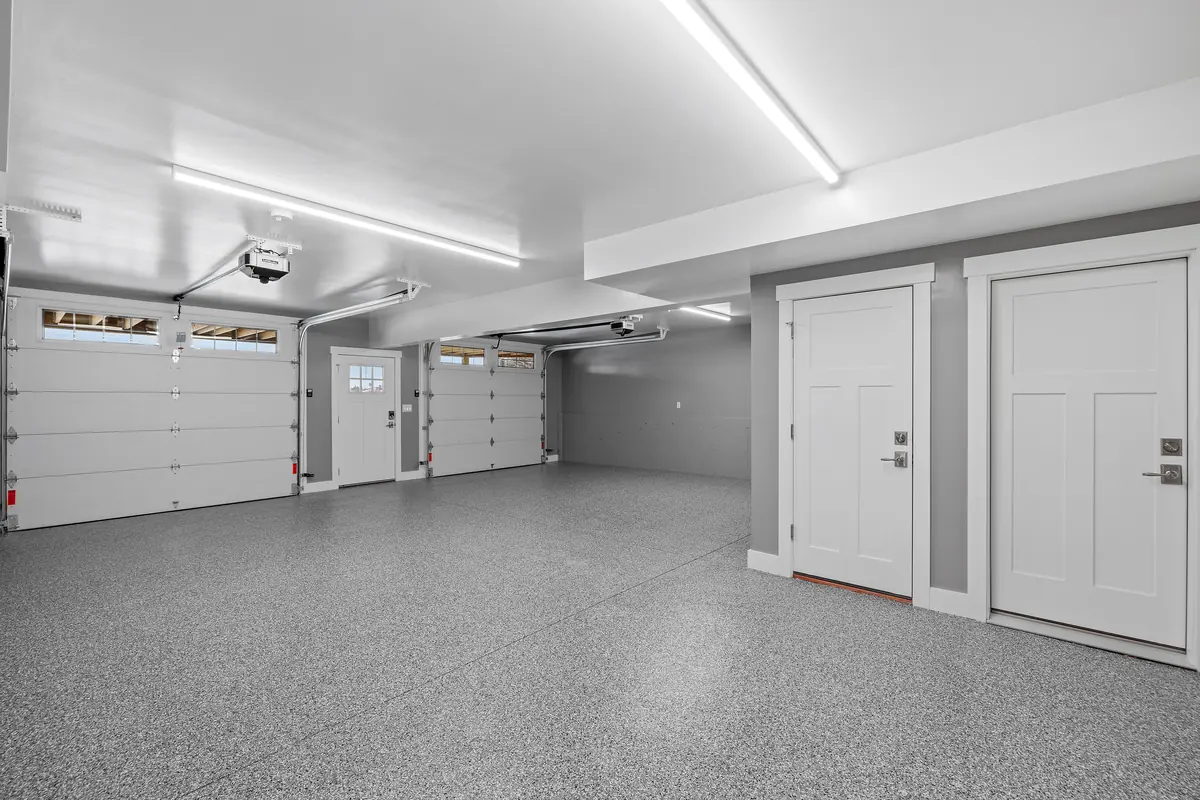
We’ll inspect the concrete and recommend a system that suits its age and condition.